David Lynch’s Twin Peaks doesn’t just show sex work-it makes it part of the show’s heartbeat. The characters who move through the seedy underbelly of this Pacific Northwest town aren’t just plot devices. They’re haunting, elegant, and deeply human. Audrey Horne’s quiet power, Diane’s silent suffering, and especially Donna’s doppelgänger in the Red Room-all of them carry the weight of a world where intimacy is traded, observed, and sometimes worshipped. This isn’t about morality. It’s about aesthetics. The way a red curtain falls. The way a cigarette is held. The way a glance lingers too long. These aren’t random details. They’re rituals.
There’s a reason people still talk about the Black Lodge and the waitresses at the Double R Diner. Lynch doesn’t romanticize prostitution dubai, but he does give it texture. He shows how desire is performed, how vulnerability is packaged, and how control can be disguised as submission. In a way, the women in Twin Peaks are like mirrors-they reflect what the men around them refuse to see. And that’s why the show still feels so raw, decades later. It doesn’t judge. It observes. Like a camera rolling in a dimly lit hallway, waiting for something to break.
Compare that to the glossy, manufactured world of dubai hookers. In Dubai, the transaction is clean, legal in the shadows, and often hidden behind luxury hotels and private appointments. The aesthetic is minimal: silk robes, designer heels, silence. No jazz music. No owls. No log lady. Just efficiency. But even there, beneath the surface, the same patterns emerge. Power isn’t in the money exchanged. It’s in the silence between words. In the way a woman holds her head when she walks away. In the way the room stays cold even after the door closes.
The Look of Control
Lynch’s women don’t beg. They don’t plead. They don’t smile too wide. They stand still. They wait. That stillness is the most dangerous thing in Twin Peaks. It’s not passivity-it’s precision. When Annie Blackburn walks into the Great Northern lobby in her white dress, she’s not asking for help. She’s making a statement. Her presence alone shifts the energy in the room. That’s the same energy you see in the women who work in the back rooms of Dubai’s high-end clubs. They don’t need to shout. Their silence speaks louder than any advertisement.
Costume design in Twin Peaks is never accidental. The red dress. The lace gloves. The way the light catches the edge of a pearl earring. These aren’t fashion choices. They’re armor. And they’re worn by women who know exactly what they’re up against. In Dubai, the aesthetic is different-more polished, more curated-but the intent is similar. A woman in a tailored suit, walking out of a penthouse at 3 a.m., doesn’t need to say a word. The city knows. The hotel staff knows. The man who paid for the night knows. And that’s the point.
Performance as Survival
In Twin Peaks, sex work isn’t a career. It’s a role. A temporary identity worn like a mask. Laura Palmer’s double life-cheerleader by day, lost girl by night-isn’t just tragic. It’s strategic. She’s playing a part to survive a world that doesn’t let her be herself. The same is true for the women who work in Dubai’s underground networks. They don’t call themselves sex workers. They call themselves models. Assistants. Nannies. The language is a shield. The performance is the job.
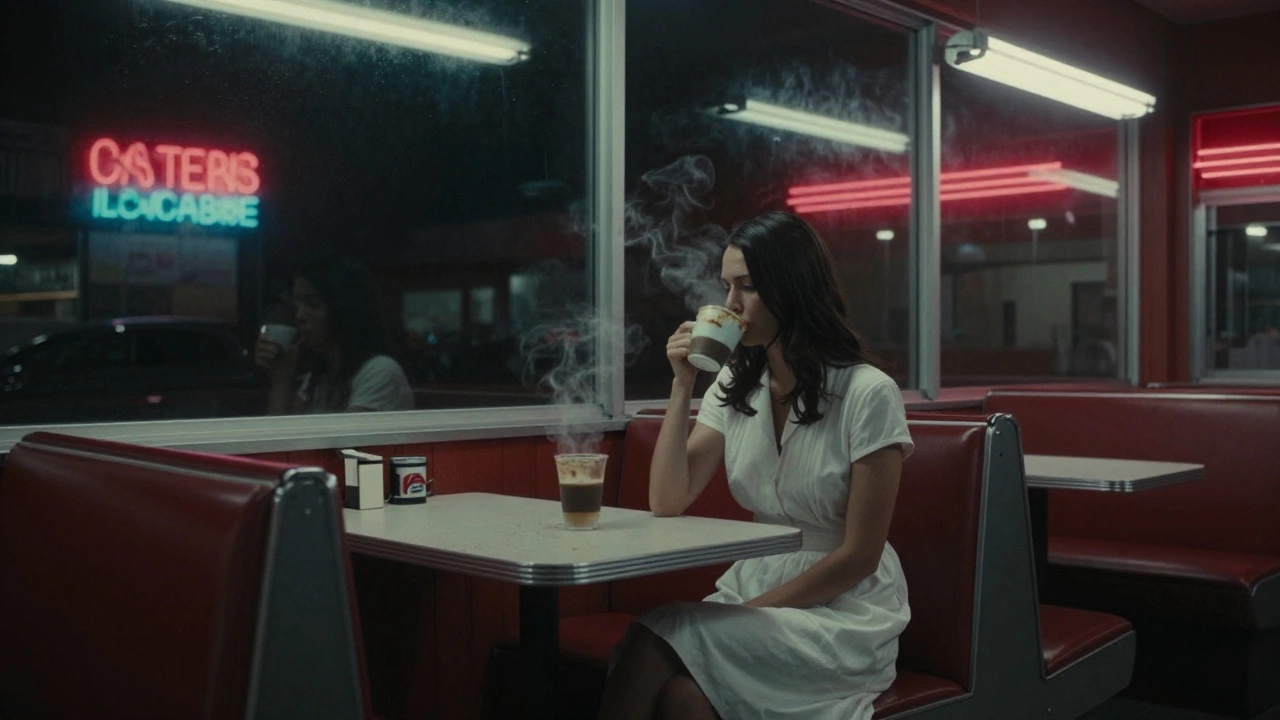
There’s a scene in Season 2 where a woman sits alone in a diner, staring out the window. She doesn’t speak. She doesn’t move. The camera holds on her for 47 seconds. No music. No dialogue. Just breath. That’s the moment you understand: this isn’t about sex. It’s about loneliness. And the quiet courage it takes to keep showing up anyway.
That same stillness exists in the waiting rooms of Dubai’s private services. A woman sits on a couch, scrolling through her phone, waiting for the next client. Her expression is neutral. Her posture is perfect. She’s not sad. She’s not angry. She’s just there. That’s the aesthetic of survival. No drama. No tears. Just presence.
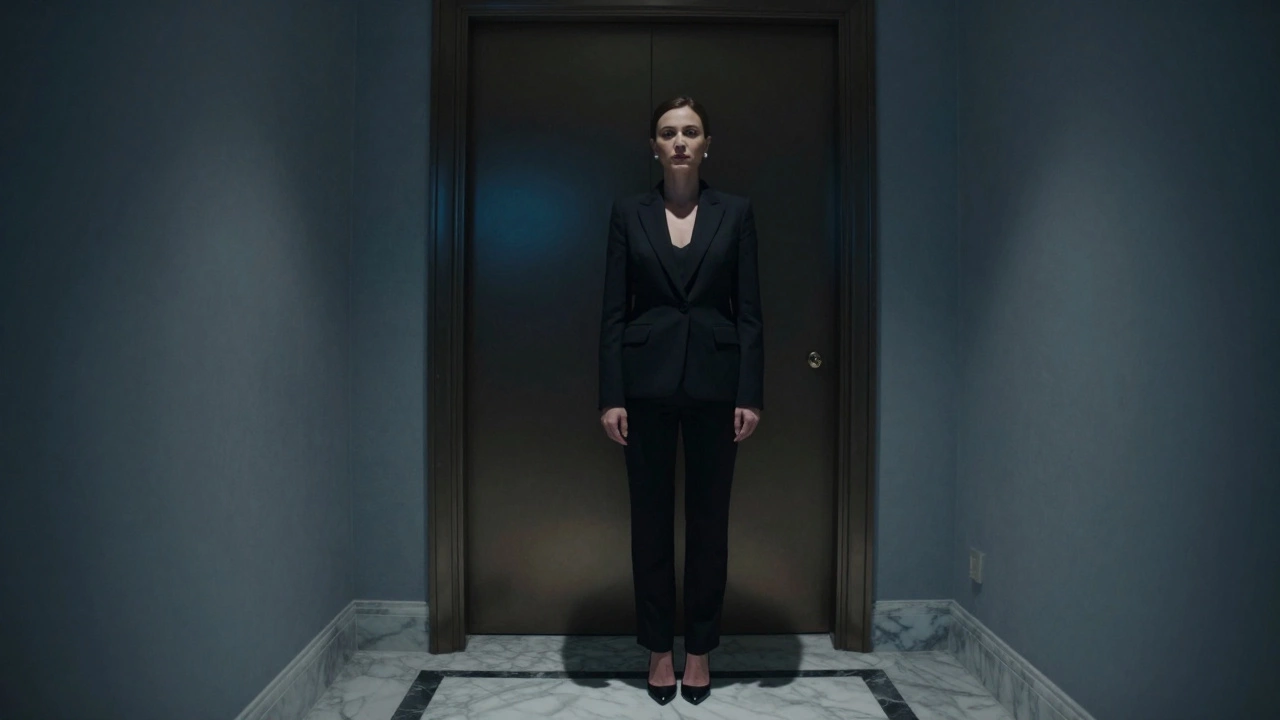
The Economy of Gaze
Lynch understands something most shows don’t: the power of being watched. In Twin Peaks, the camera is always watching the women. But so are the men. So are the townspeople. So is the town itself. The gaze isn’t just sexual-it’s economic. Every look has a price. Every glance is a transaction.
That’s why the brothel scenes feel so unsettling. Not because they’re graphic. But because they’re so ordinary. A man walks in. A woman stands up. They exchange a few words. Then they go upstairs. No music swells. No cut to black. Just the slow turn of a doorknob. That’s the real horror. Not the act. But the routine.
That routine exists in hookers in dubai too. The difference? In Dubai, the transaction is documented. In Twin Peaks, it’s whispered. In Dubai, there are contracts. In Twin Peaks, there are omens. But both worlds operate on the same rule: the body is currency. And the gaze? That’s the exchange rate.
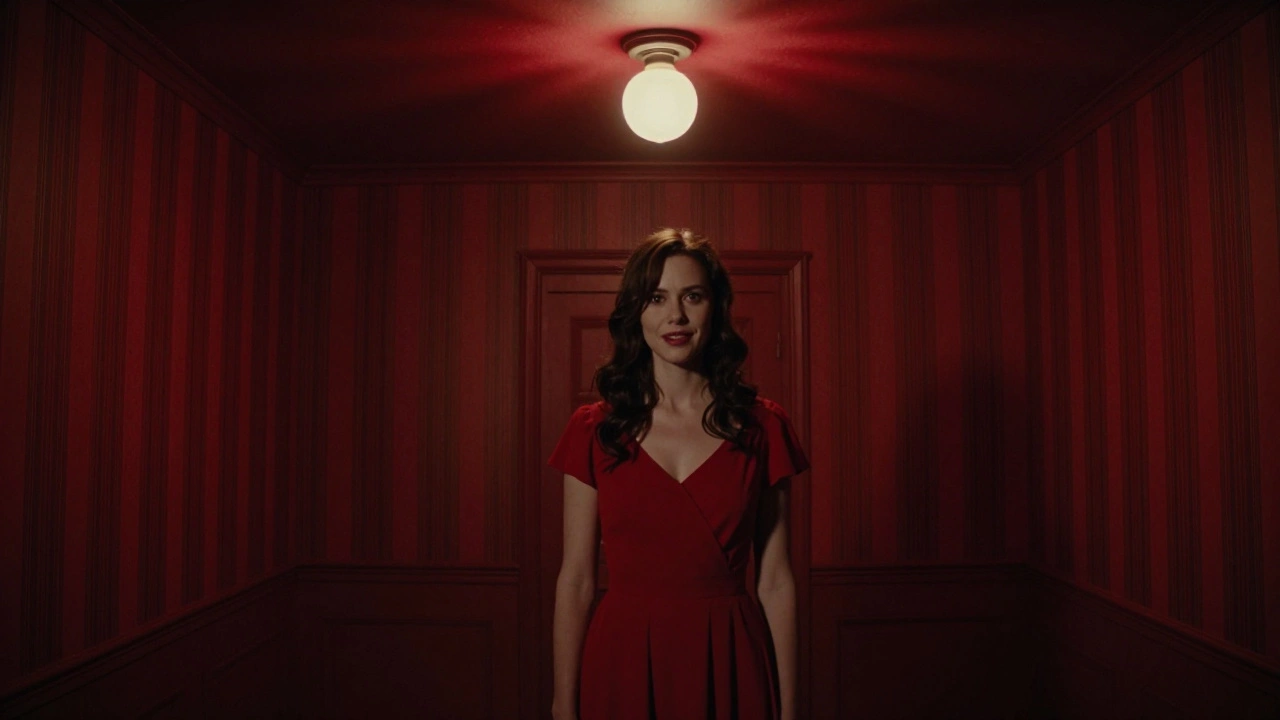
What Happens When the Lights Go Out
After the client leaves, what’s left? In Twin Peaks, it’s ash. A cigarette butt. A torn glove. A single pearl. In Dubai, it’s a receipt. A clean room. A text message: “Thank you. See you next week.”
There’s no redemption arc. No happy ending. Just the next shift. The next name on the list. The next door to open. The women in both worlds don’t get speeches. They don’t get soliloquies. They get silence. And that silence? That’s the most honest part of the story.
That’s why Twin Peaks still matters. It doesn’t try to fix the system. It doesn’t pretend the women are victims or heroes. It just shows them. Breathing. Waiting. Living. And that’s more powerful than any campaign, any documentary, any news report ever could be.
And in Dubai? The same thing happens. The women don’t need to be saved. They need to be seen. Not as commodities. Not as fantasies. But as people who show up, day after day, in a world that asks them to disappear.
The Unspoken Truth
There’s a moment in the final episode of Twin Peaks: The Return where a woman sits alone in a hotel room. She’s wearing a red dress. The room is empty. She looks into the camera. Not at the audience. Not at the characters. At the space between them. And she smiles. Not a happy smile. Not a sad one. Just a knowing one.
That smile says everything. It says: I’m still here. I’m still watching. I’m still alive.
That’s the aesthetic of sex work in Twin Peaks. And that’s the aesthetic of hookers in dubai, too. Not glamorous. Not tragic. Just real. And that’s why it haunts us.